

Are there any environmental impacts of the materials used in brake shoes for SUNNY B16?
Jan 05, 2026
Leave a message
As a supplier of Brake Shoes for SUNNY B16, I've been deeply involved in the automotive parts industry for years. One question that often comes up in discussions with customers and industry peers is about the environmental impacts of the materials used in these brake shoes. In this blog, I'll explore this topic in detail, shedding light on the materials we use, their environmental implications, and what we're doing to mitigate any negative effects.
Common Materials in Brake Shoes for SUNNY B16
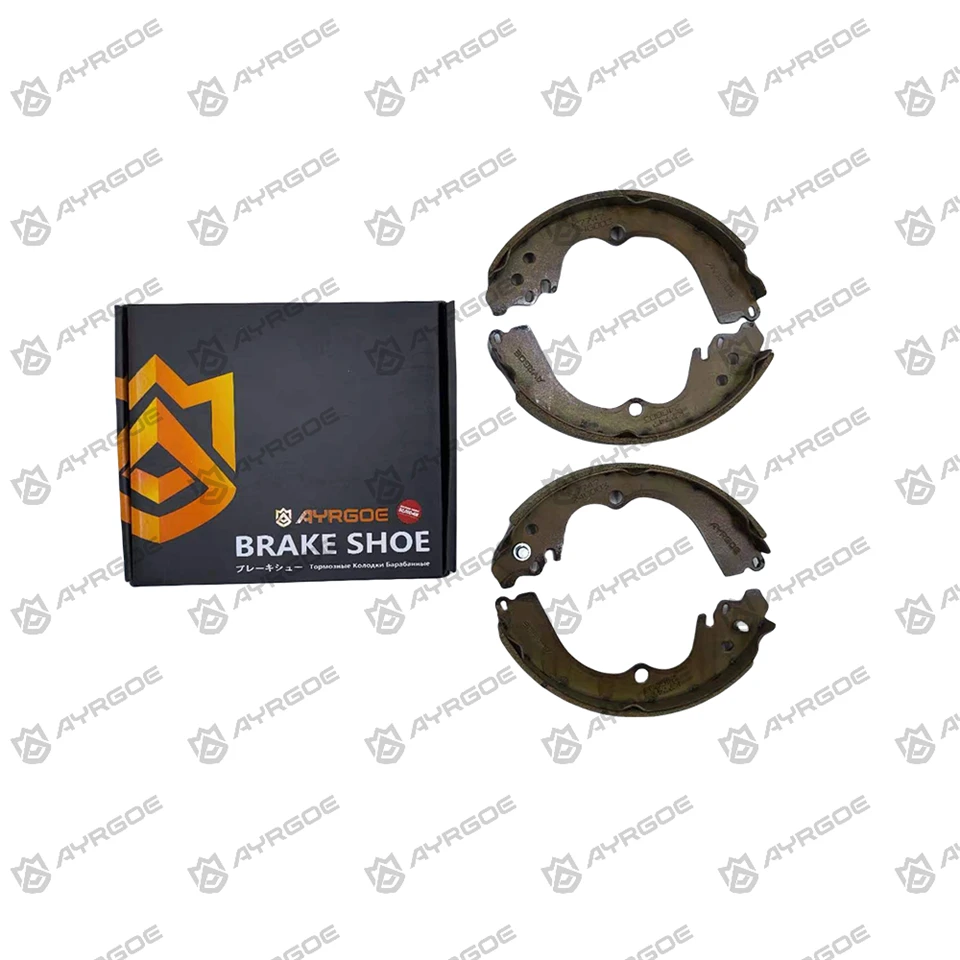
Brake shoes are critical components in a vehicle's braking system, and their performance and safety are of utmost importance. Over the years, different materials have been used to manufacture brake shoes, each with its own set of characteristics.
Asbestos
In the past, asbestos was a popular material for brake shoes due to its excellent heat resistance and friction properties. However, we now know that asbestos is extremely hazardous to human health. When brake shoes made of asbestos wear down, tiny asbestos fibers are released into the air. Inhalation of these fibers can lead to serious health problems, including lung cancer, mesothelioma, and asbestosis. As a result, the use of asbestos in brake shoes has been largely phased out in many countries, including those with strict environmental and health regulations.
Semi - Metallic Materials
Semi - metallic brake shoes are a common alternative to asbestos - based ones. These shoes are made up of a mixture of metal fibers (such as steel, copper, and iron) and other materials like graphite and friction modifiers. They offer good braking performance, especially under high - temperature conditions. However, the production of semi - metallic materials can have significant environmental impacts. The mining and processing of metals require large amounts of energy and water, and they can also lead to soil and water pollution. Additionally, when semi - metallic brake shoes wear down, metal particles are released into the environment. These particles can contaminate soil and water sources and may have negative effects on aquatic life.
Ceramic Materials
Ceramic brake shoes have gained popularity in recent years. They are made from ceramic fibers, fillers, and binders. Ceramic brake shoes offer several advantages, including low noise, long service life, and good braking performance. From an environmental perspective, ceramic materials are generally considered more eco - friendly than semi - metallic ones. The production of ceramic materials typically requires less energy and generates fewer pollutants compared to metal - based materials. Moreover, ceramic brake shoes produce less dust when they wear down, reducing the amount of particulate matter released into the air.
Environmental Impacts of the Manufacturing Process
The manufacturing process of brake shoes also has environmental implications. Whether it's the extraction of raw materials, the processing of these materials into brake shoes, or the disposal of waste products, each step can have an impact on the environment.
Raw Material Extraction
As mentioned earlier, the extraction of metals for semi - metallic brake shoes involves mining operations. These operations can cause deforestation, soil erosion, and habitat destruction. They also consume large amounts of water and energy, contributing to greenhouse gas emissions. On the other hand, the production of ceramic materials requires the extraction of minerals like clay and feldspar. While the environmental impact of these extractions is generally lower than that of metal mining, they still need to be managed carefully to minimize any negative effects.

Processing and Manufacturing
The processing of raw materials into brake shoes involves several steps, such as mixing, molding, and curing. These processes often require high temperatures and the use of chemicals. The energy consumption during these steps contributes to carbon emissions, and the use of chemicals can lead to water pollution if not properly managed. For example, some of the binders used in brake shoes may contain volatile organic compounds (VOCs), which can be released into the air during the manufacturing process and contribute to air pollution.
Waste Disposal
During the manufacturing process, there is always some amount of waste generated, such as scrap materials and defective products. Improper disposal of these waste products can have serious environmental consequences. For example, if metal scrap from semi - metallic brake shoes is not recycled, it can end up in landfills, where it may leach heavy metals into the soil and groundwater over time.
Our Efforts to Minimize Environmental Impacts
As a responsible supplier of Brake Shoes for SUNNY B16, we are committed to minimizing the environmental impacts of our products and operations.
Material Selection
We have transitioned away from using asbestos in our brake shoes long ago. Currently, we are focusing on using more ceramic materials in our products. Ceramic brake shoes not only offer excellent performance but also have a lower environmental footprint compared to semi - metallic ones. By choosing ceramic materials, we can reduce the energy consumption and pollution associated with metal mining and processing.
Sustainable Manufacturing Practices
We are constantly looking for ways to improve our manufacturing processes to make them more sustainable. This includes investing in energy - efficient equipment to reduce our energy consumption and implementing water - recycling systems to minimize water usage. We also ensure that all chemicals used in our manufacturing process are properly managed and disposed of to prevent pollution.
Recycling and Waste Management
We have established a comprehensive recycling program for our waste materials. Metal scrap from semi - metallic brake shoes is recycled to reduce the need for new metal extraction. Defective products and scrap ceramic materials are also recycled whenever possible. By recycling these materials, we can reduce the amount of waste sent to landfills and conserve natural resources.
Comparing with Other Brake Shoes
It's interesting to compare the environmental impacts of our Brake Shoes for SUNNY B16 with other brake shoes in the market. For example, the K7747 Brake Shoes for LEGACY 1.8L 2.0L and FORESTER and IMPREZA and 04495 - 02080 Brake Shoes for COROLLA E121 E122 E123 E124 E125 E126 and 04047 - 12120 Brake Shoes for EXIV T206 T207 T208 T209 may use different materials and manufacturing processes. While some of these brake shoes may offer similar performance, our focus on using ceramic materials and sustainable manufacturing practices gives our Brake Shoes for SUNNY B16 an edge in terms of environmental friendliness.
Conclusion
In conclusion, the materials used in Brake Shoes for SUNNY B16 do have environmental impacts, but through careful material selection and sustainable manufacturing practices, we can minimize these effects. As the automotive industry continues to evolve, we are committed to staying at the forefront of environmental protection. We believe that by providing high - quality, eco - friendly brake shoes, we can not only meet the needs of our customers but also contribute to a more sustainable future.
If you are interested in our Brake Shoes for SUNNY B16 or have any questions about our products and environmental initiatives, please feel free to contact us for further discussions and potential procurement opportunities.
References
- "Automotive Brake Materials: A Review" by X. Zhang and Y. Zhou.
- "Environmental Impact Assessment of Automotive Brake Systems" by J. Smith.
- "Sustainable Manufacturing in the Automotive Industry" by R. Johnson.