

Can I install brake shoes on a lifted pickup?
Jul 31, 2025
Leave a message
As a seasoned supplier of brake shoes for pickups, I often get asked the question: "Can I install brake shoes on a lifted pickup?" It's a valid concern, especially for pickup owners who have modified their vehicles to give them that extra ground clearance and rugged look. In this blog post, I'll delve into the details of installing brake shoes on a lifted pickup, exploring the feasibility, potential challenges, and considerations.
Understanding the Basics of Brake Shoes
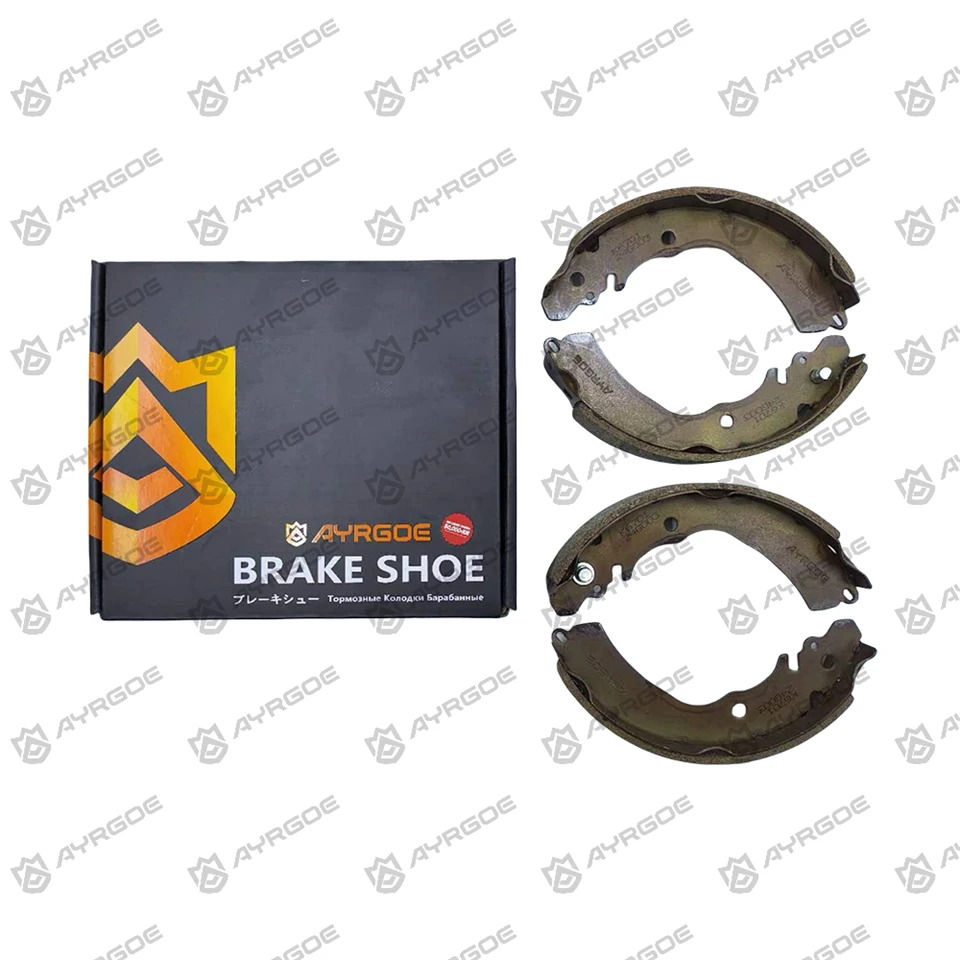
Before we discuss the installation on a lifted pickup, let's briefly understand what brake shoes are and how they work. Brake shoes are a crucial part of a vehicle's braking system, particularly in drum brake setups. They are curved metal pieces lined with a friction material. When the brake pedal is pressed, the brake shoes are forced against the inner surface of the brake drum, creating friction that slows down or stops the rotation of the wheels.
Feasibility of Installing Brake Shoes on a Lifted Pickup
The short answer is yes, you can install brake shoes on a lifted pickup. However, there are several factors to consider to ensure a successful installation and optimal performance.
Compatibility
The first and most important factor is compatibility. Not all brake shoes are designed to fit every pickup model, especially those that have been lifted. When a pickup is lifted, the suspension geometry changes, which can affect the alignment and fitment of the brake components. It's essential to choose brake shoes that are specifically designed for your pickup model and take into account the lift height.
For example, if you have a lifted EXIV T206, T207, T208, or T209, you might want to consider our 04047 - 12120 Brake Shoes for EXIV T206 T207 T208 T209. These brake shoes are engineered to provide a perfect fit and reliable braking performance for these specific models.
Suspension Modifications
Lifting a pickup often involves modifying the suspension system, such as installing taller springs, extended shocks, or aftermarket suspension kits. These modifications can alter the position and movement of the wheels and axles, which may impact the braking system. For instance, a lifted suspension can cause the brake drums to sit at a different angle or height, potentially leading to uneven wear on the brake shoes or reduced braking efficiency.
To address these issues, it's crucial to have a professional mechanic inspect the suspension and braking system after the lift. They can make any necessary adjustments, such as realigning the brake components or installing shims to ensure proper fitment.
Brake Line Length
Another consideration is the length of the brake lines. When a pickup is lifted, the distance between the brake master cylinder and the wheels increases. If the brake lines are not long enough, they can become stretched or kinked, which can lead to brake fluid leaks or reduced braking performance.
It's important to check the brake line length and, if necessary, install extended brake lines to accommodate the lift. Extended brake lines are designed to provide the extra length needed without compromising the integrity of the braking system.
Potential Challenges
Braking Performance
One of the main challenges of installing brake shoes on a lifted pickup is maintaining optimal braking performance. The changes in suspension geometry and the increased weight of the lifted vehicle can put additional stress on the braking system. This can result in longer stopping distances, reduced braking power, or premature wear of the brake components.
To mitigate these issues, it's important to choose high-quality brake shoes that are designed to handle the increased demands of a lifted pickup. For example, our 46540 - 0E030 Brake Shoes for ALPHARD AH21 AH22 AH23 AH24 AH25 AH26 are made from premium materials and are engineered to provide excellent braking performance even under heavy loads.
Alignment and Adjustment
Proper alignment and adjustment of the brake shoes are crucial for optimal performance. On a lifted pickup, the suspension modifications can make it more challenging to achieve the correct alignment. Incorrect alignment can lead to uneven wear on the brake shoes, reduced braking efficiency, and even brake noise.
It's recommended to have a professional mechanic perform a thorough alignment and adjustment of the brake shoes after installation. They have the tools and expertise to ensure that the brake shoes are properly seated and adjusted for maximum performance.
Maintenance
Maintaining the braking system on a lifted pickup requires more attention and care compared to a stock pickup. The increased stress on the brake components can lead to faster wear and tear, so it's important to regularly inspect the brake shoes, drums, and other components for signs of damage or wear.
It's also recommended to follow the manufacturer's recommended maintenance schedule for your pickup's braking system. This may include regular brake fluid flushes, brake pad replacements, and inspections of the brake lines and calipers.
Considerations for Installation
Professional Installation
While some experienced DIYers may be able to install brake shoes on a lifted pickup, it's generally recommended to have a professional mechanic perform the installation. A professional mechanic has the knowledge, tools, and experience to ensure a proper installation and can address any potential issues that may arise during the process.
Quality of Brake Shoes
As mentioned earlier, the quality of the brake shoes is crucial for optimal performance and safety. When choosing brake shoes for your lifted pickup, look for products that are made from high-quality materials and are designed to meet or exceed the original equipment manufacturer (OEM) specifications.
For example, our K6701 Brake Shoes for GALANT E55A E56A E57A E58A E59A and LANCER 1.3L 1.6L are manufactured using advanced technology and high-quality friction materials to provide reliable braking performance and long-lasting durability.
Testing and Inspection
After the installation, it's important to thoroughly test the braking system to ensure that it is functioning properly. This may include a test drive to check for any abnormal noises, vibrations, or braking issues. It's also recommended to have a professional mechanic perform a post-installation inspection to verify the proper installation and adjustment of the brake shoes.
Conclusion
In conclusion, installing brake shoes on a lifted pickup is feasible, but it requires careful consideration and attention to detail. By choosing the right brake shoes, addressing the potential challenges, and following the proper installation and maintenance procedures, you can ensure a successful installation and optimal braking performance.
If you're considering installing brake shoes on your lifted pickup, we're here to help. As a leading supplier of brake shoes for pickups, we offer a wide range of high-quality products designed to meet the needs of different pickup models and lift heights. Contact us to discuss your specific requirements and explore our product offerings. We're committed to providing you with the best solutions for your braking needs.

References
- Automotive Brake Systems: Principles, Diagnosis, and Service by James D. Halderman
- The Complete Idiot's Guide to Auto Maintenance and Repair by Deanna Sclar