

How do brake systems perform at high altitudes?
May 15, 2025
Leave a message
High altitudes present a unique set of challenges and conditions that can significantly impact the performance of brake systems. As a brake systems supplier, we have delved deep into understanding these effects to provide our customers with the best solutions for high - altitude environments.
Atmospheric Conditions at High Altitudes
At high altitudes, the most notable change in the atmosphere is the decrease in air density. Air density is a crucial factor as it affects both the cooling of the brake system and the operation of the braking components. As the altitude increases, the air becomes thinner. This means there are fewer air molecules available to carry away the heat generated during braking.
Brake systems rely on air to dissipate the heat produced when the brake pads clamp down on the rotors. When you press the brake pedal, the kinetic energy of the moving vehicle is converted into thermal energy through friction between the pads and rotors. In normal conditions, the surrounding air absorbs this heat and carries it away. However, at high altitudes, with less dense air, the cooling rate is reduced. This can lead to an increase in the temperature of the brake components.
Excessive heat can have detrimental effects on brake performance. For instance, high temperatures can cause the brake fluid to boil. Brake fluid is a hydraulic medium that transfers the force from the brake pedal to the brake calipers. When it boils, it forms vapor bubbles. These bubbles are compressible, unlike the liquid brake fluid. As a result, the driver may experience a spongy brake pedal and a significant reduction in braking power.
Friction and Wear at High Altitudes
The friction characteristics between the brake pads and rotors can also be affected by high - altitude conditions. The thin air at high altitudes may change the way the brake pads make contact with the rotors. In some cases, the reduced air density can lead to a more erratic friction coefficient.
The friction coefficient is a measure of how well the brake pads grip the rotors. A stable friction coefficient is essential for consistent braking performance. When the friction coefficient becomes unstable, the braking force may vary unexpectedly. This can make it difficult for the driver to control the vehicle during braking, especially in emergency situations.
Moreover, the wear rate of the brake pads and rotors can increase at high altitudes. The higher operating temperatures can accelerate the wear process. The brake pads are made of materials that are designed to withstand a certain amount of heat and friction. However, when the temperature exceeds their limits, the material can degrade more quickly. This means that the brake pads may need to be replaced more frequently at high altitudes compared to lower - altitude regions.
Our Brake Systems Solutions for High Altitudes
As a brake systems supplier, we have developed products that are specifically designed to address the challenges of high - altitude driving. Our brake pads are made from advanced materials that can withstand high temperatures. These materials have a high thermal stability, which means they can maintain their friction characteristics even when the temperature rises.
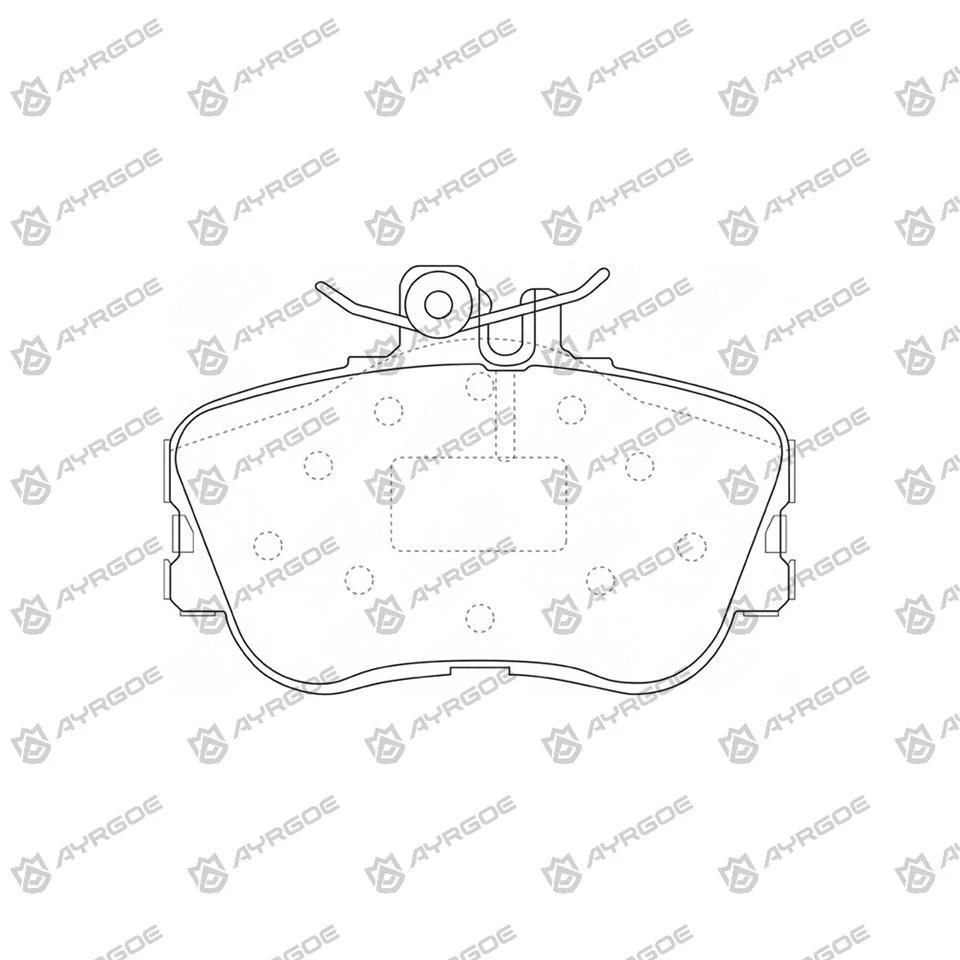
For example, our [D1107M Brake Pads for MERCEDES - BENZ A150 169031,169331](/brake - systems/d1107m - brake - pads - for - mercedes - benz - a150.html) are engineered with a special friction formula. This formula is optimized to provide a stable friction coefficient across a wide range of temperatures, including the high temperatures that can occur at high altitudes. The brake pads also have excellent wear resistance, which helps to extend their service life in high - altitude conditions.
In addition to our brake pads, we also offer high - quality brake rotors. Our rotors are designed with enhanced cooling features. They have special ventilation channels that help to increase the airflow around the rotors, even in thin - air environments. This improves the cooling efficiency and reduces the risk of overheating. For instance, our [54830 - 2S500 STABILIZER LINK For KIA SPORTAGE QL 2015](/brake - systems/54830 - 2s500 - stabilizer - link - for - kia - sportage.html) is part of a comprehensive brake system solution that includes well - designed rotors.
We also pay close attention to the brake fluid we use in our systems. Our brake fluid has a high boiling point, which makes it less likely to boil at high altitudes. This ensures that the hydraulic system remains reliable and that the driver can always count on consistent braking performance. Our [PN0025 Brake Pads for MERCEDES - BENZ C200 202122](/brake - systems/pn0025 - brake - pads - for - mercedes - benz - c200.html) are often paired with our high - quality brake fluid to provide a complete and reliable braking solution for high - altitude driving.
Testing and Validation
Before our products are released to the market, they undergo rigorous testing at high - altitude locations. We have set up testing facilities in mountainous regions where we can simulate real - world high - altitude driving conditions. Our engineers monitor the performance of the brake systems under different loads, speeds, and altitudes.
During these tests, we measure various parameters such as temperature, friction coefficient, and wear rate. We use advanced sensors and data - logging equipment to collect accurate data. This data is then analyzed to ensure that our products meet or exceed the performance requirements for high - altitude driving.
We also conduct long - term durability tests. Our brake systems are subjected to thousands of braking cycles at high altitudes to simulate years of real - world use. This helps us to identify any potential issues and make necessary improvements to our products.
Importance of Regular Maintenance at High Altitudes
Even with our high - performance brake systems, regular maintenance is crucial at high altitudes. The harsh conditions can still take a toll on the brake components over time. Drivers should have their brake systems inspected more frequently when driving at high altitudes.
During these inspections, the brake pads should be checked for wear. If the pads are worn beyond the recommended thickness, they should be replaced immediately. The brake fluid should also be inspected and replaced if it shows signs of degradation or if it has absorbed too much moisture.
The brake rotors should be checked for signs of warping or excessive wear. Warped rotors can cause uneven braking and vibration when the brakes are applied. If the rotors are damaged, they may need to be resurfaced or replaced.
Conclusion
In conclusion, high - altitude driving poses significant challenges to brake systems. The decrease in air density affects cooling, friction, and wear. However, as a brake systems supplier, we are committed to providing solutions that can overcome these challenges. Our advanced brake pads, rotors, and brake fluids are designed to perform reliably at high altitudes.

If you are looking for high - quality brake systems for high - altitude driving, we invite you to contact us for more information. Our team of experts is ready to assist you in selecting the right products for your vehicle. We can also provide you with detailed technical support and advice on brake system maintenance. Let's work together to ensure your safety on the roads, no matter how high the altitude.

References
- "The Effects of High Altitude on Automotive Brake Systems" - Journal of Automotive Engineering
- "Brake System Design and Performance in Extreme Environments" - SAE International Publications
- "Friction Materials for High - Temperature Brake Applications" - Tribology International